
IPL vs. LLLT for Dry Eye: Which Treatment May Be Right for You?
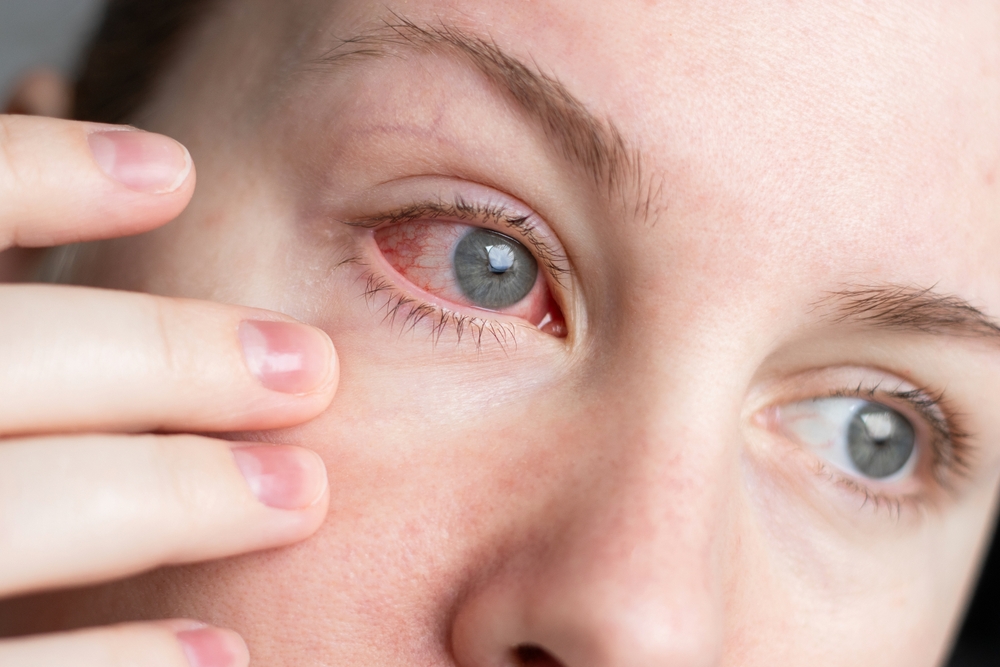
Dry eye can have several underlying causes, which is why the right treatment is not always as simple as using artificial tears. For many patients, inflammation and poor function of the
meibomian glands can cause tears to evaporate too quickly, leading to ongoing burning, irritation, redness, or fluctuating vision.
At Opticology Eyecare, we offer advanced dry eye treatments in Wichita, including Intense Pulsed Light (IPL) and Low-Level Light Therapy (LLLT). Both are non-invasive light-based treatments, but they work differently and may be recommended for different dry eye concerns.
How Does IPL Help With Dry Eye?
IPL uses controlled pulses of broad-spectrum light around the eyes to address inflammation and improve the function of the meibomian glands. These glands produce the oily layer of the tear film that helps keep tears from evaporating too quickly.
IPL may be especially helpful for patients with meibomian gland dysfunction (MGD) and evaporative dry eye. The treatment gently warms thickened oils within the glands while also targeting abnormal blood vessels that can contribute to chronic eyelid inflammation.
Potential benefits of IPL for dry eye include:
- Helping loosen thickened oils within blocked meibomian glands
- Reducing inflammation around the eyelids
- Improving meibomian gland function
- Supporting a more stable tear film
- Addressing factors associated with blepharitis, including bacteria and Demodex
IPL sessions at our Wichita office typically take about 15 to 20 minutes. A series of treatments may be recommended depending on your symptoms and eye health.
How Is LLLT Different?
Low-Level Light Therapy uses specific wavelengths of light to stimulate cellular activity around the eyes. Rather than delivering pulses of light like IPL, LLLT uses LED and infrared light to support the glands and tissues involved in tear production.
LLLT can help improve both meibomian gland function and lacrimal gland activity. The meibomian glands contribute oil to the tears, while the lacrimal glands provide the watery portion. Supporting both components can help improve overall tear quality.
Treatment is gentle, painless, and non-invasive. LLLT sessions generally take about 15 minutes and require no downtime. Patients may notice bright light and a mild warming sensation during treatment.
IPL vs. LLLT - Which Is Better for Dry Eye?
There is no single dry eye treatment that is best for everyone. IPL may be particularly useful when inflammation, blocked meibomian glands, or evaporative dry eye are major concerns. LLLT may be recommended when improving gland function, reducing inflammation, and supporting multiple layers of the tear film are treatment priorities.
Some patients may also benefit from combining therapies. The best approach depends on what is causing your dry eye symptoms rather than simply how uncomfortable your eyes feel.
Finding the Right Dry Eye Treatment
A thorough dry eye evaluation allows us to assess your eyelids, tear film, and gland function before recommending treatment. By identifying the source of your symptoms, we can determine whether IPL, LLLT, or another dry eye treatment is appropriate for your needs.
Schedule your dry eye consultation with Opticology Eyecare in Wichita, KS at (316) 337-5500 to find out whether IPL or LLLT may be right for you.

Contact Info
Hours of Operation
- Monday 8:00am - 6:00pm
- Tuesday 8:00am - 5:00pm
- Wednesday 8:00am - 6:00pm
- Thursday 8:00am - 5:00pm
- Friday 8:00am - 1:00pm
- Saturday Closed
- Sunday Closed
© 2026 Opticology Eyecare. All rights Reserved. Accessibility Statement - Privacy Policy - Sitemap
Powered by:
